

Ngacha Estate 16UP / Topaz - Lot A
Code: 233
233
Coffee Description
General Information
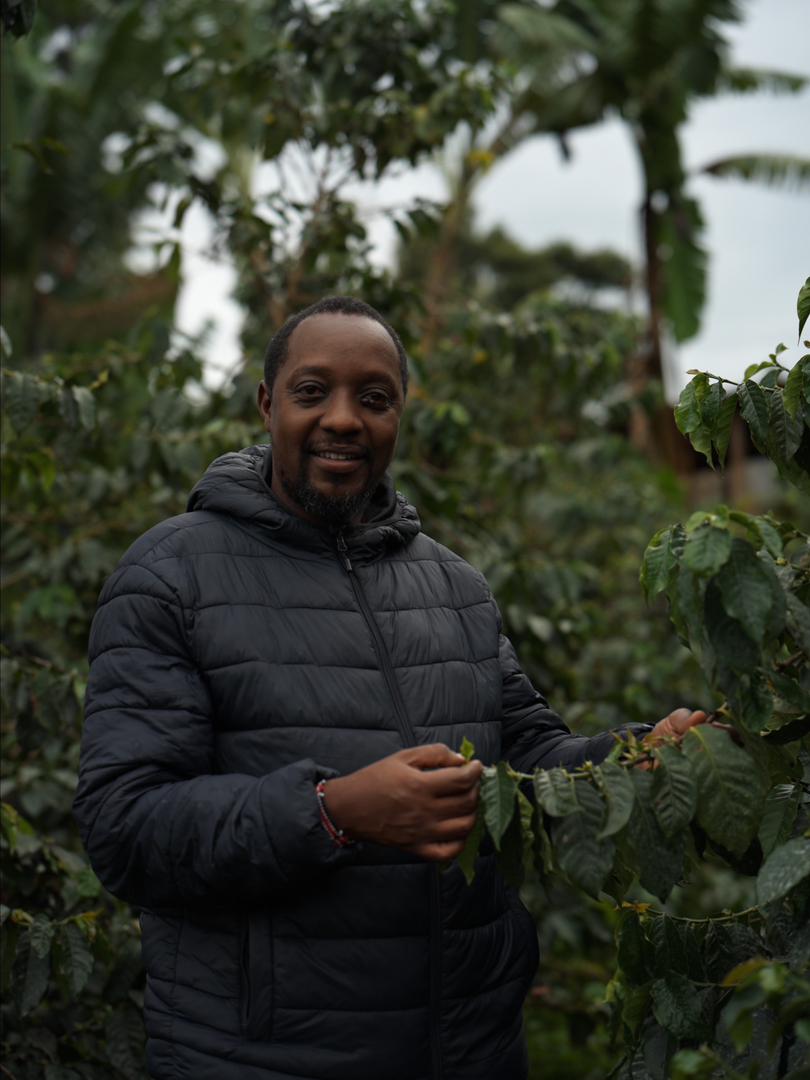
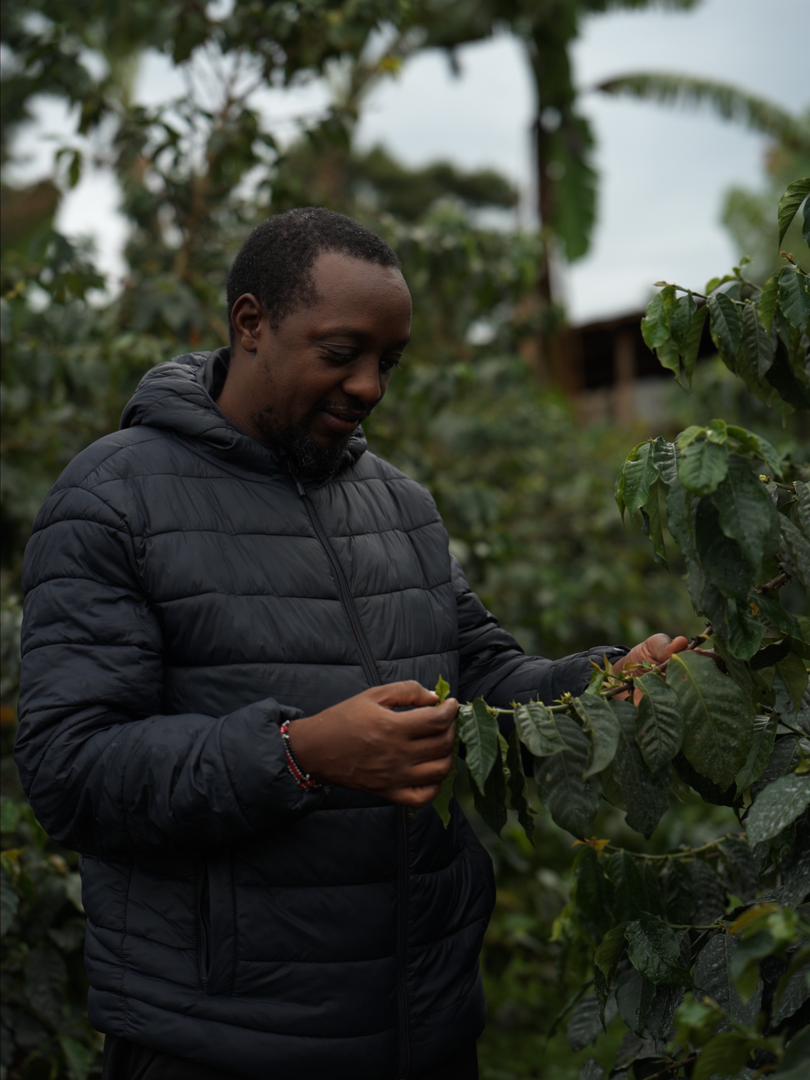
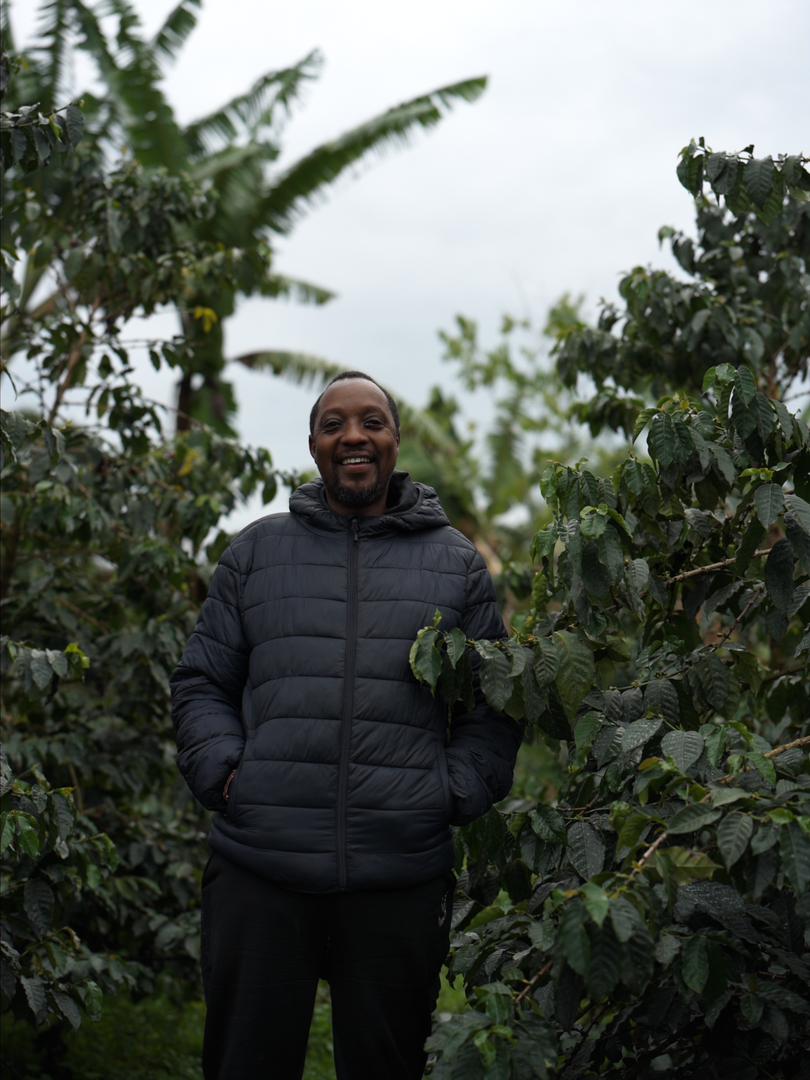
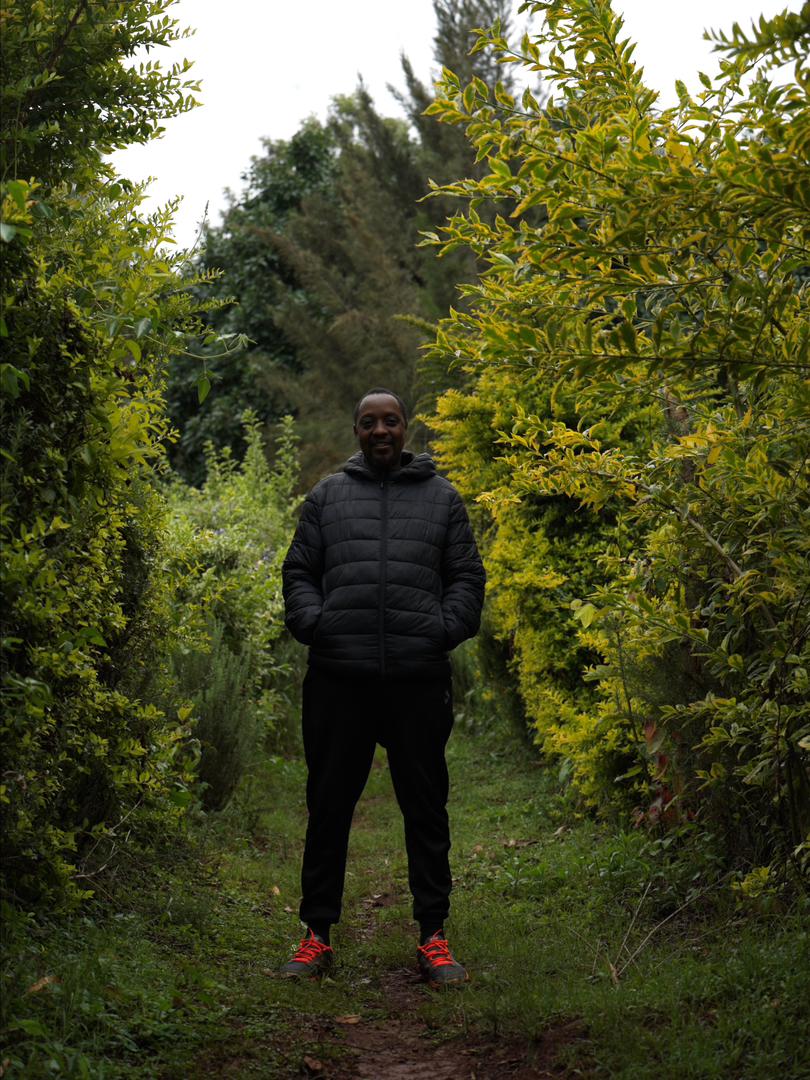
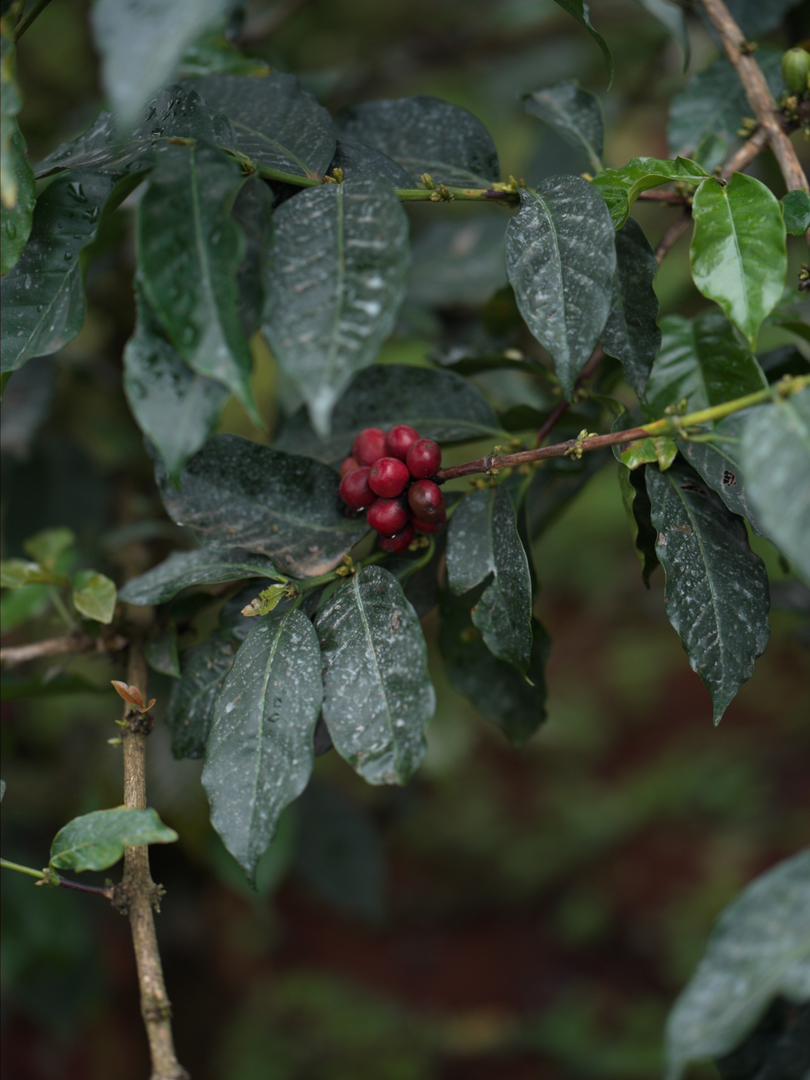
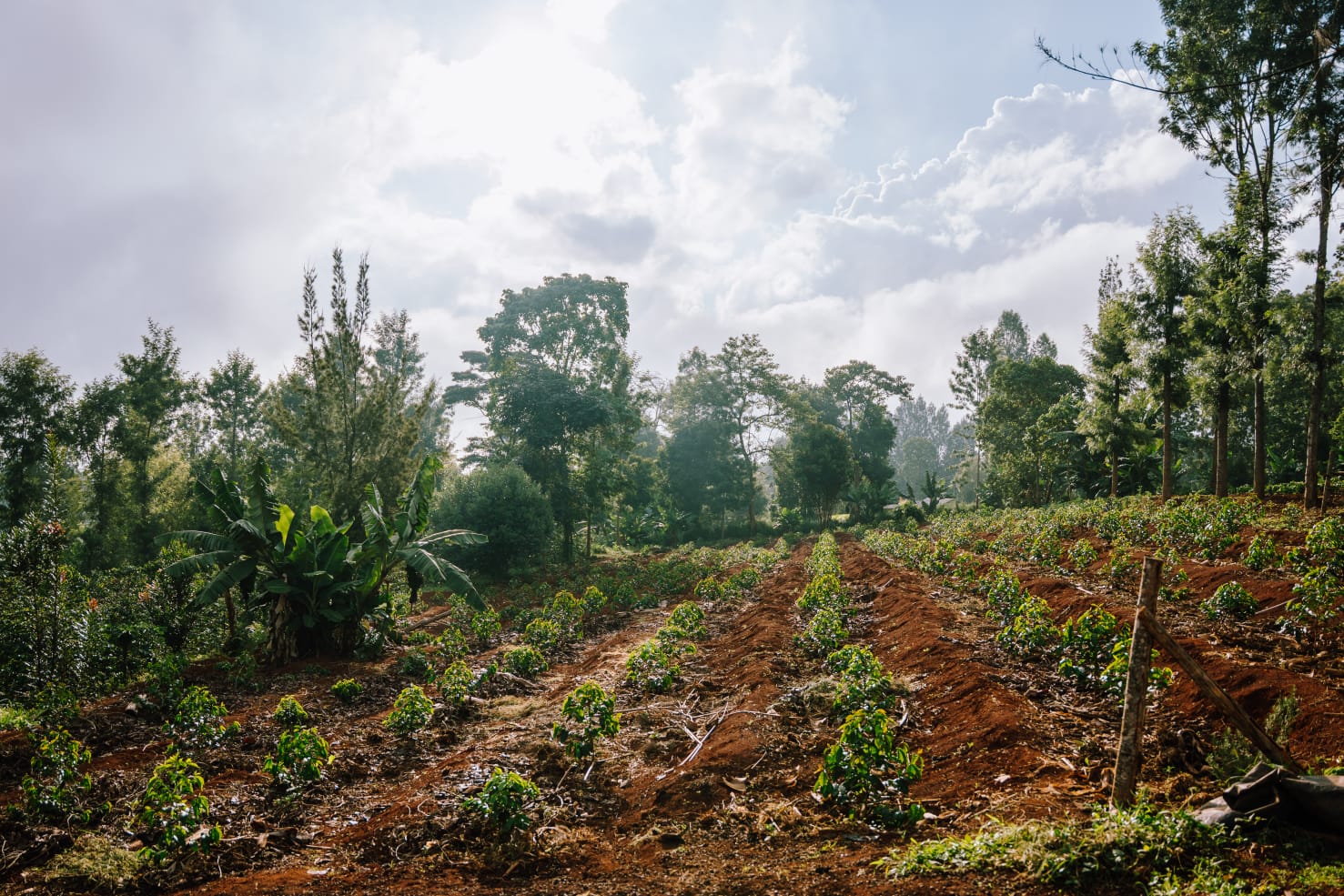
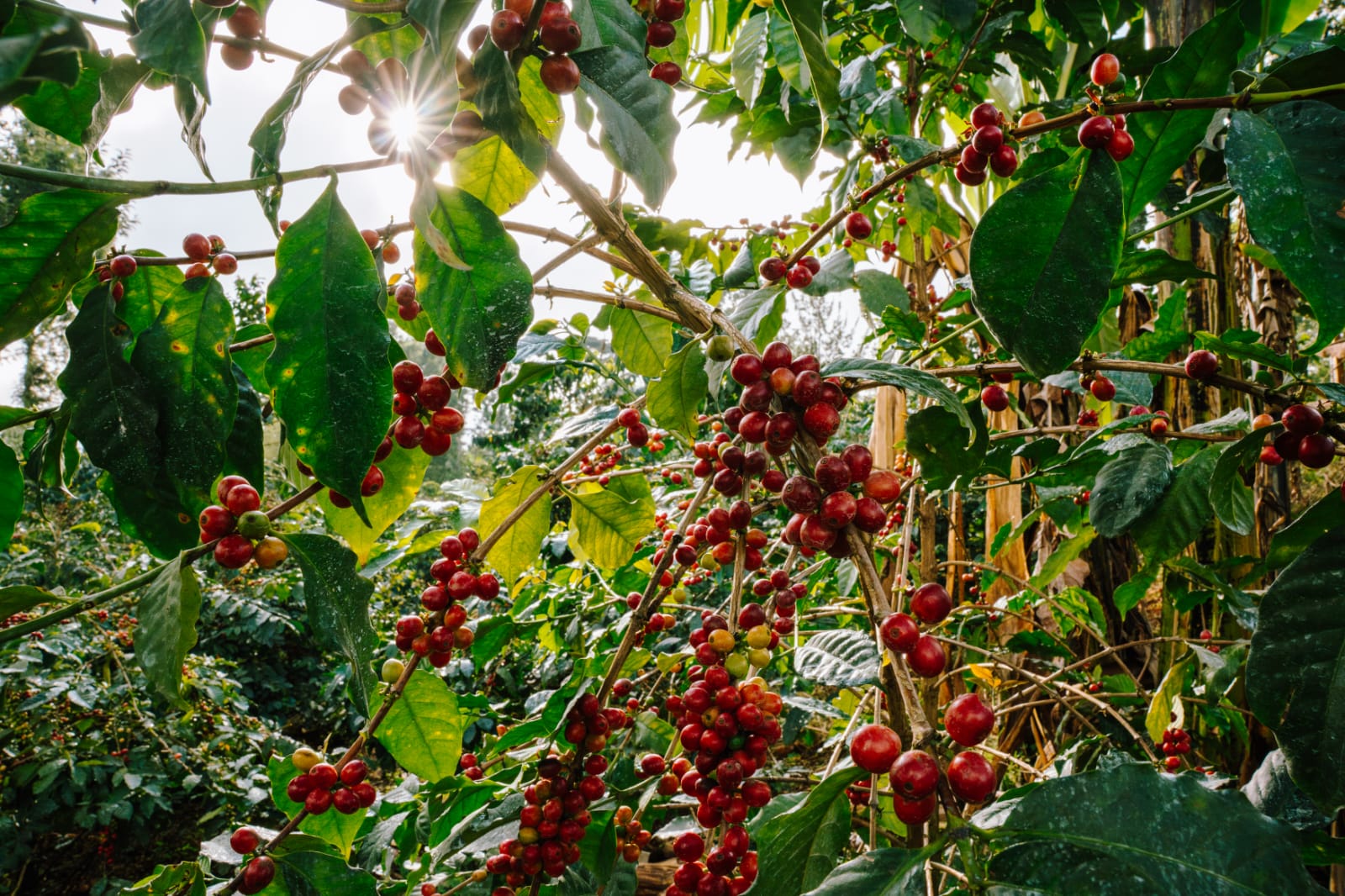
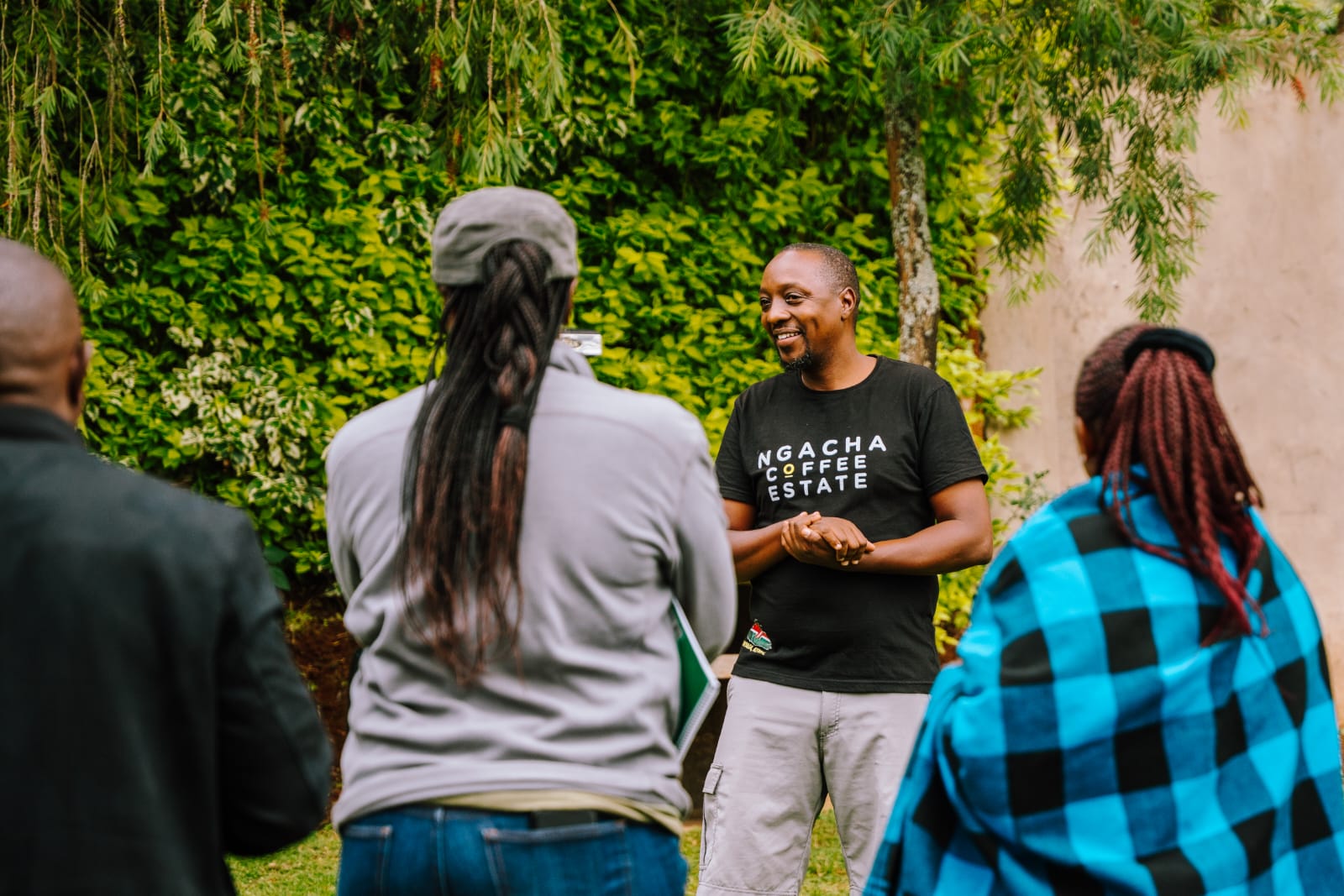
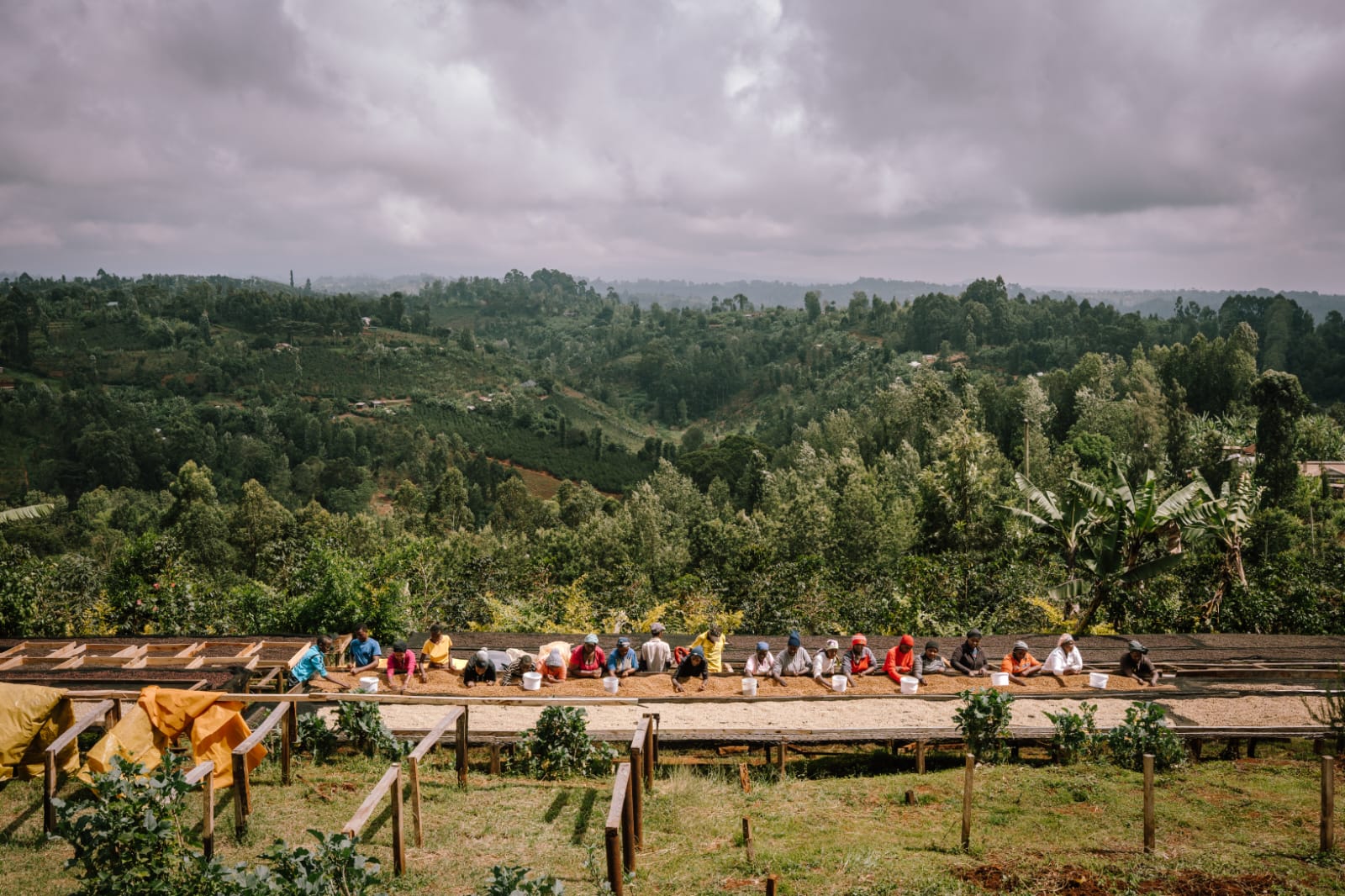
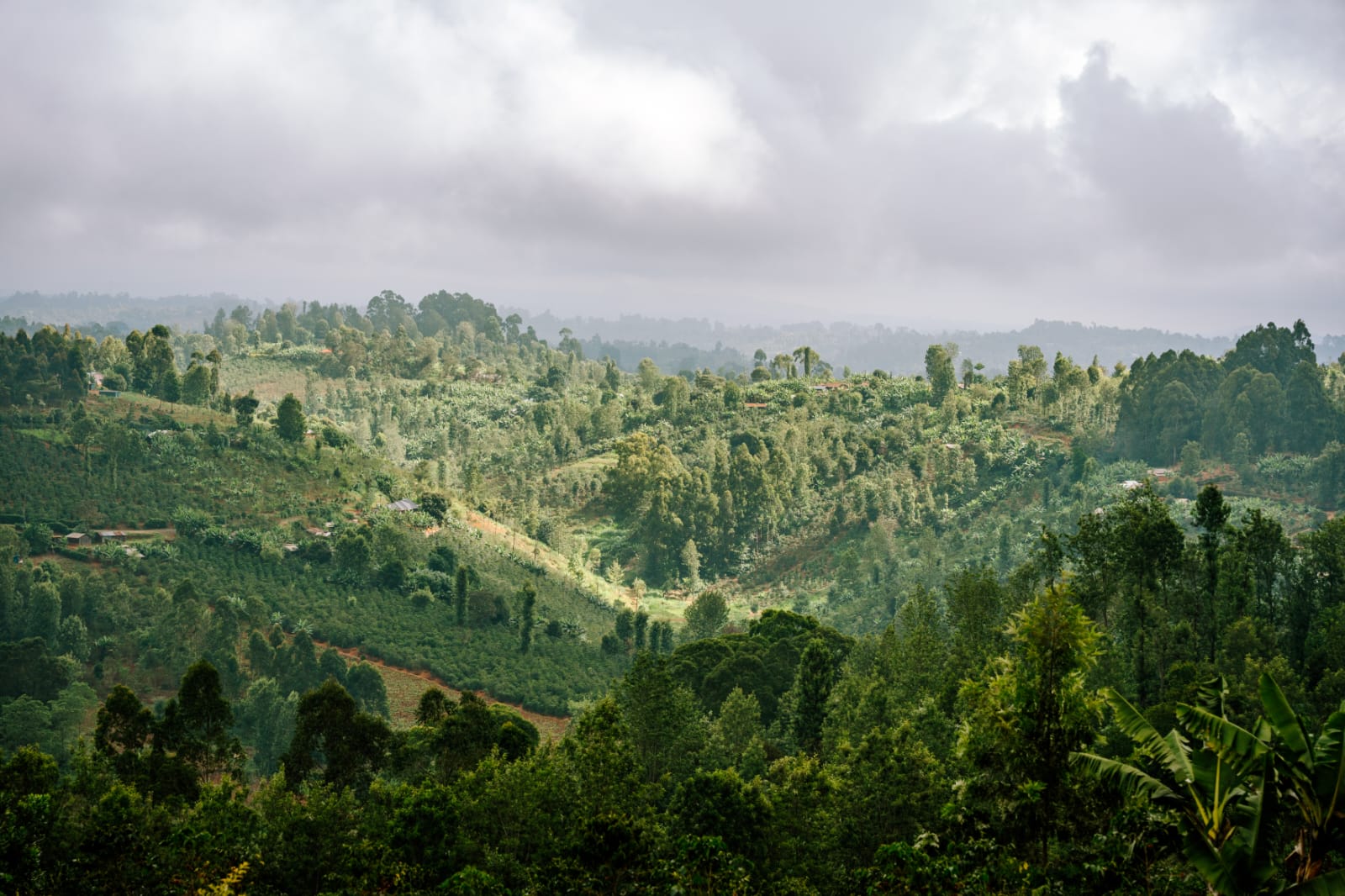
About the Farm
A Story by Martin Mwangi Muruiki
In 1954, my father bought this land.
Four years later, in 1958, he planted nine coffee bushes. Not ten.
Not twelve. Nine.
At the time, colonial regulations restricted African farmers from
growing coffee freely. My father planted four additional bushes in
quiet defiance. For that decision, he was arrested and spent ten
days in a police cell. When he was released, he was forced to
uproot the extra trees.
Only nine were allowed to remain. To him, those nine bushes were
the world.
He understood what rested in his hands — black gold. Pride
under oppression. Promise under surveillance. Those bushes
represented livelihood, dignity, and a silent refusal to surrender
possibility. After independence, he expanded the farm, but Ngacha
Coffee Estate was born from those nine trees.
He would often remind me:
“This is my legacy. Do not compromise it. Take up the mantle
and shine brighter.”
He never lived to see Ngacha coffee score above 88 points, but he
planted something greater than coffee itself. He planted
defiance.
Inheritance
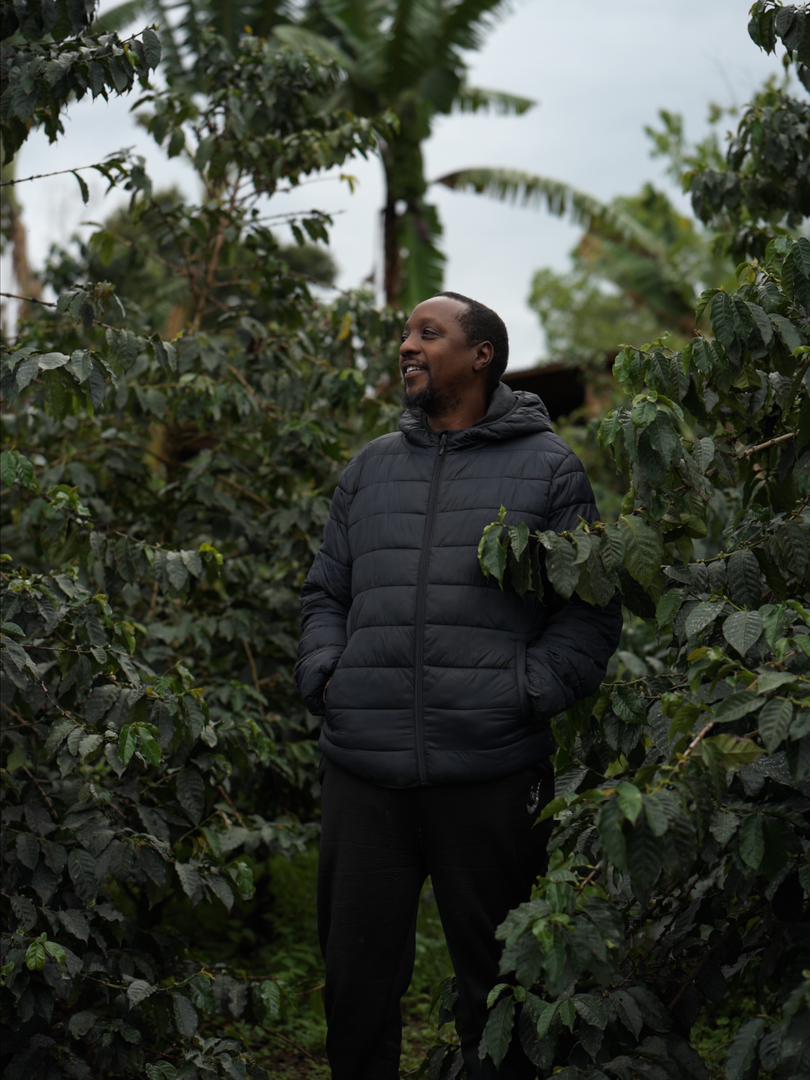
I inherited the farm in 2019.
I did not grow up among coffee trees. My upbringing was urban, shaped more by my father’s stories than by coffee bushes rows. He told me how he became the first in the locality to build a house with corrugated iron sheets, and later the first to construct a two-story stone home. Through those stories, he taught me what building truly meant — patience, courage, and belief in tomorrow.
When he passed away after battling cancer, the stories became
responsibility.
The farm was no longer history. It was mine to protect.
One of our first decisions was immediate: we banned herbicides. We
eliminated fungicides and pesticides with reckless residue
histories. If we were to produce something consumed around the
world, it could not harm the soil that carries my father’s
memory.
All biopesticides are managed and applied following recognized
biosecurity protocols, supporting safe use like pre-harvest
intervals, environmental stewardship, and compliance with
sustainability standards.
For us, stewardship is personal before it is agricultural.
Holding On
The first year was difficult.
We wanted to retain the entire workforce — nearly 90% of
whom are women from the surrounding community — but liquidity
disappeared quickly. The thought of scaling down weighed heavily on
us.
Then came 2020 and the uncertainty of COVID-19.
My wife Bessie and I sold a personal asset to keep the farm alive.
We chose continuity over comfort because this community had stood
with my father since 1958. Walking away was never an option.
At the time, we did not know who would buy our coffee. We did not
know whether anyone would.
Looking back, it became the most important decision we ever
made.
We preserved not only a farm, but hope during a moment when the
world felt uncertain.
The Awakening
In August 2020, I attended my first serious cupping session with
coffee researcher Kinuthia Chuaga from Dedan Kimathi University of
Technology.
When the results appeared, I stopped mid-breath. His eyes lit up
before he spoke. The coffee spoke first.
In that moment, I realized:
“Hold on. We are on to something.”
In 2022, Ngacha scored above 88 points for the first time.
I shed a tear — not because of the score, but because I knew
the journey that began with nine restricted bushes had finally
reached the global table.
The question was no longer whether the coffee was good.
The question became: who would find us?
Jabali The Coffee Company did. The partnership felt inevitable
— like a hand fitting perfectly into a glove.
The Ngacha Ecosystem
Ngacha Coffee Estate sits between 1,626 and 1,678 meters above
sea level on steep red volcanic soils in Kenya’s central
highlands.
Morning sunlight arrives directly and decisively. Evenings cool
rapidly, creating a natural temperature drop that preserves acidity
and stabilizes drying rhythms. Annual rainfall ranges between 953
and 1,200 millimeters, supporting slow cherry maturation and
concentrated flavor development.
Seven acres are currently under coffee production.
Three additional acres are being established within a forested
section we call Mugumo Forest Coffee, named after a 150-year-old
sacred fig tree standing at its center. Among the Kikuyu people,
the Mugumo tree is never cut. It is a place to gather, to reflect,
and to listen.
That tree represents our future — growth rooted in
respect.
Our Coffee
Ngacha grows primarily SL28 and SL34 varieties, alongside a
small portion of Ruiru 11.
Annual production currently averages three tons, projected to
reach seven tons as new plantings mature.
But our goal has never been volume.
Our goal is precision without compromise.
Every cherry is selectively harvested. Every season is approached
as learning. Every cup is treated as a continuation of a story that
began long before me.
What Ngacha Means
Ngacha Coffee Estate is more than a farm I inherited.
It is a conversation between generations.
From nine bushes planted under restriction to coffees now welcomed
across the world, this journey has been shaped by resilience,
community, and belief.
My father planted under limitation.
My responsibility is to grow without compromise.
Every harvest carries his words forward:
“Take up the mantle and shine brighter.”
And every cup of Ngacha coffee is part of that legacy.
Martin Ngacha
Awards
- Winning Coffee, Africa Youth Barista Championship Lome,Togo 2022
- Winning Coffee, National Barista Championship Kenya 2023
- Winning Coffee, Coffee in Good Spirit Competition Australia 2023
- Number 3 Coffee, Coffee in the World Good Spirit Competition, Taipei Taiwan 2023
- Number 1 Coffee, African Fine Coffee Association Barista Championships, Addis Ababa, Ethiopia 2024.
- Winner Best Arabica Honey Process, Taste of Harvest Kenya 2026 (Red Honey)
- Number 2 Arabica Experimental Process Category, Taste of Harvest Kenya 2026 (Anaerobic Naturals)
