

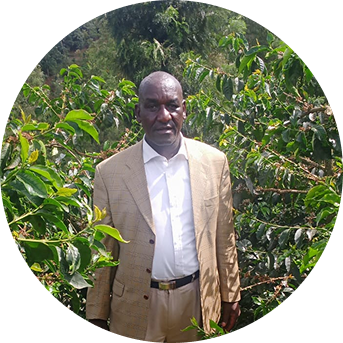
17KM0020/ NEW JOMA
Code: 126
126
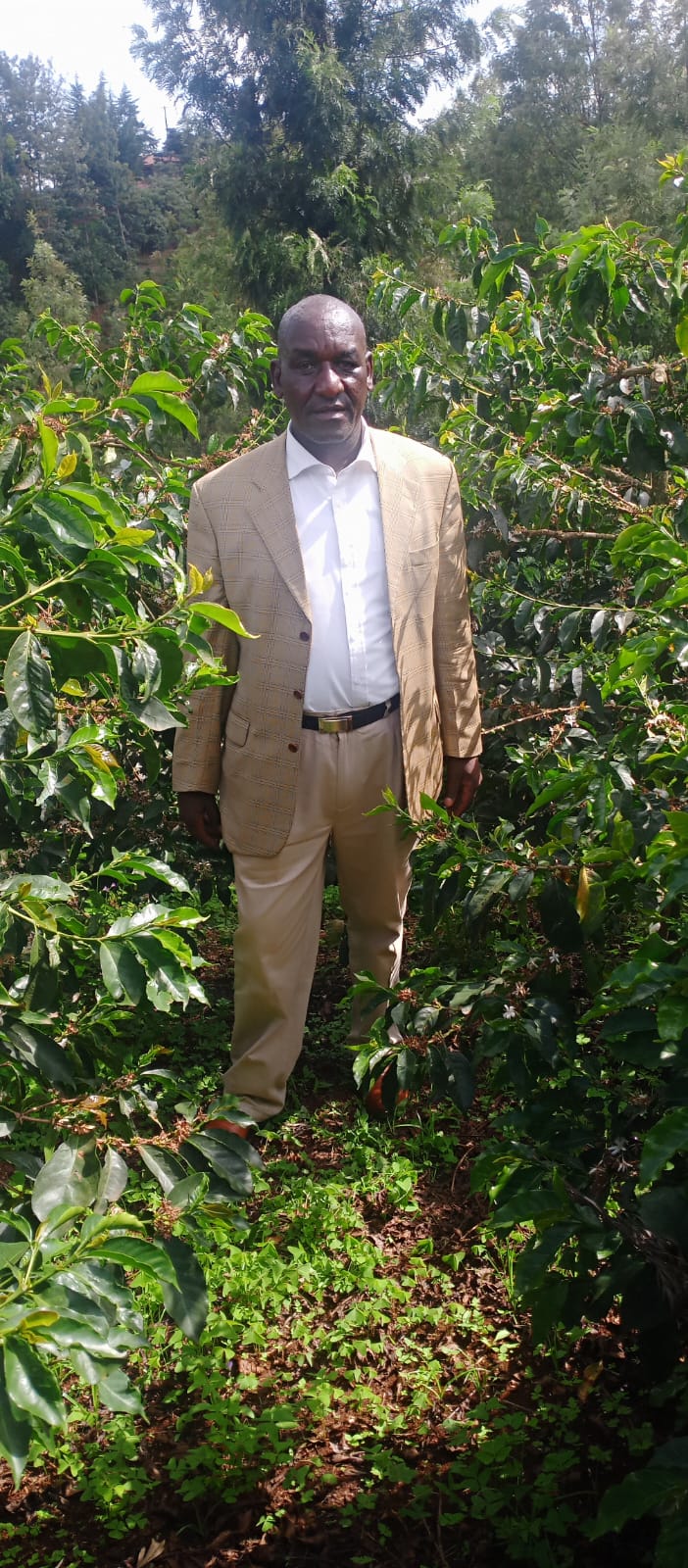
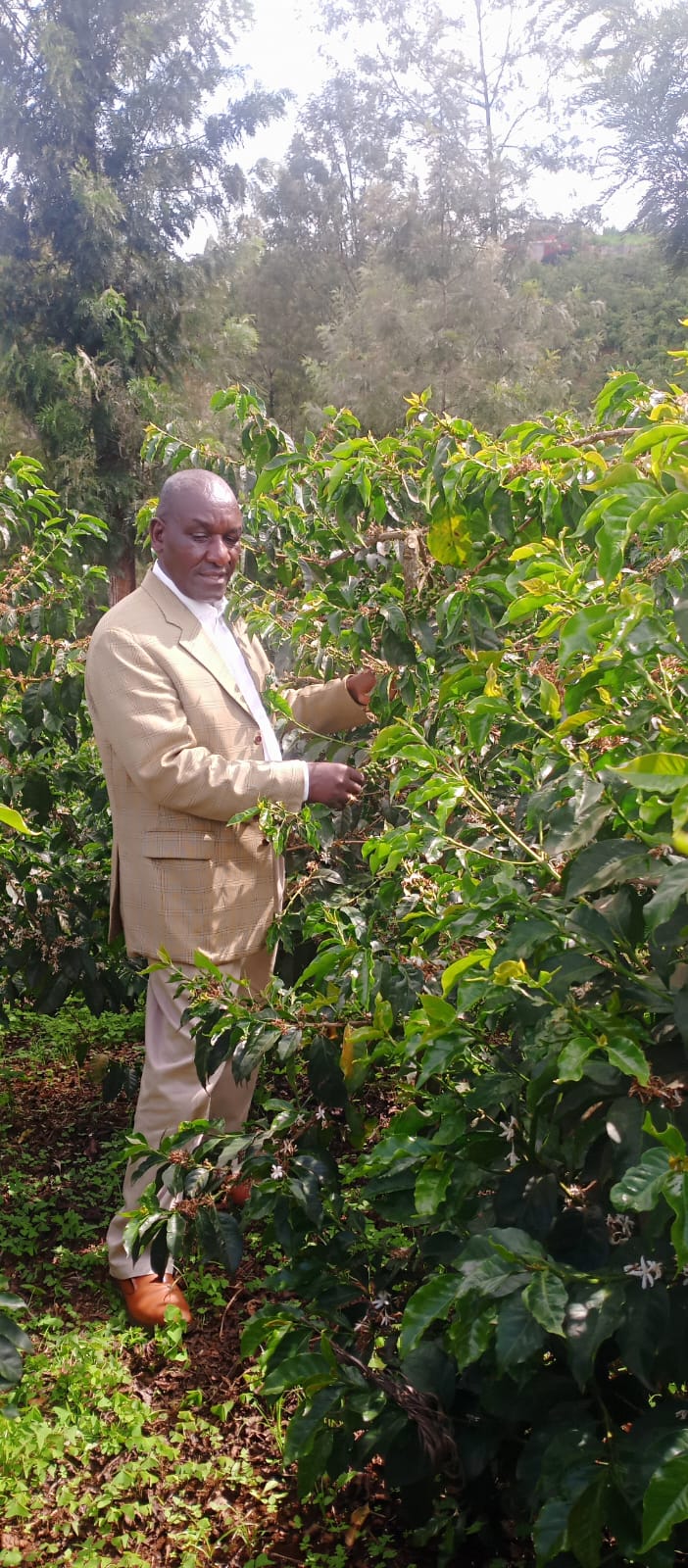
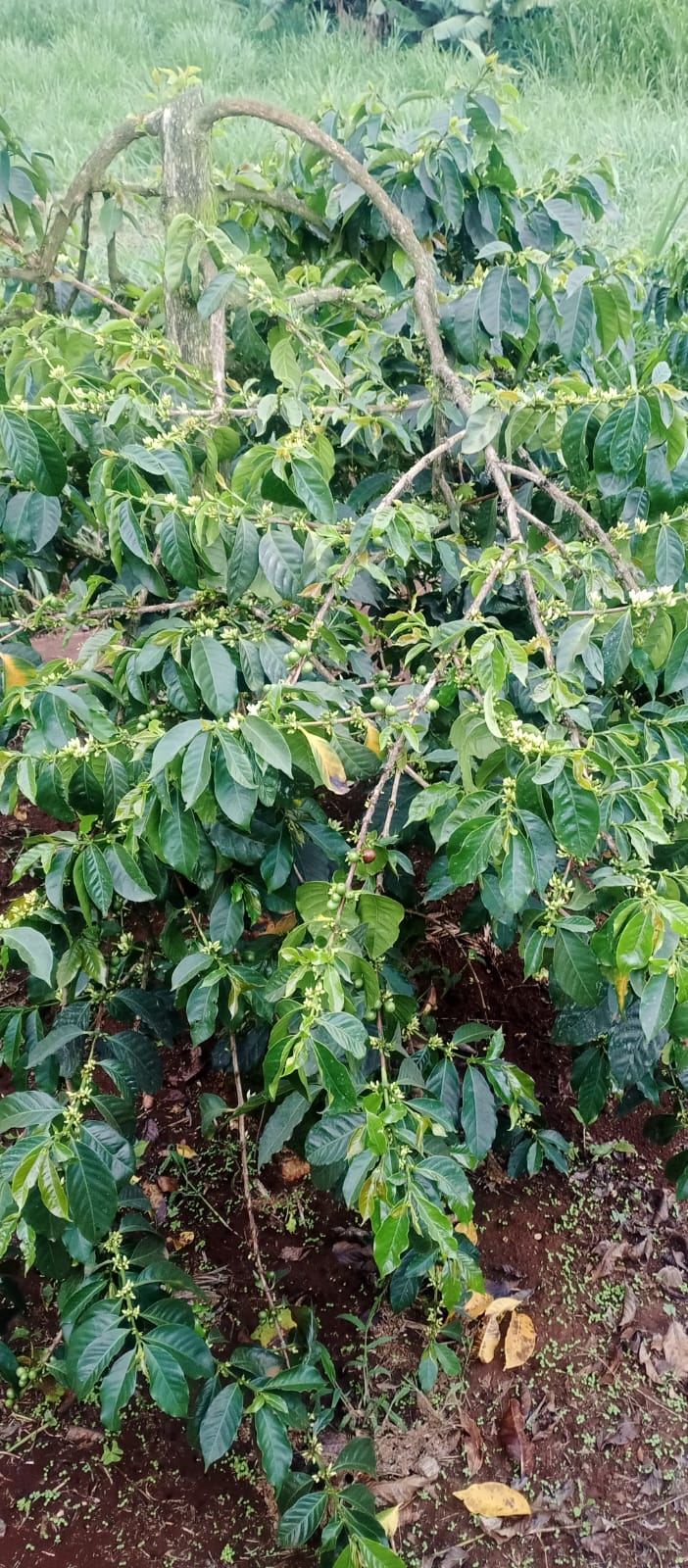
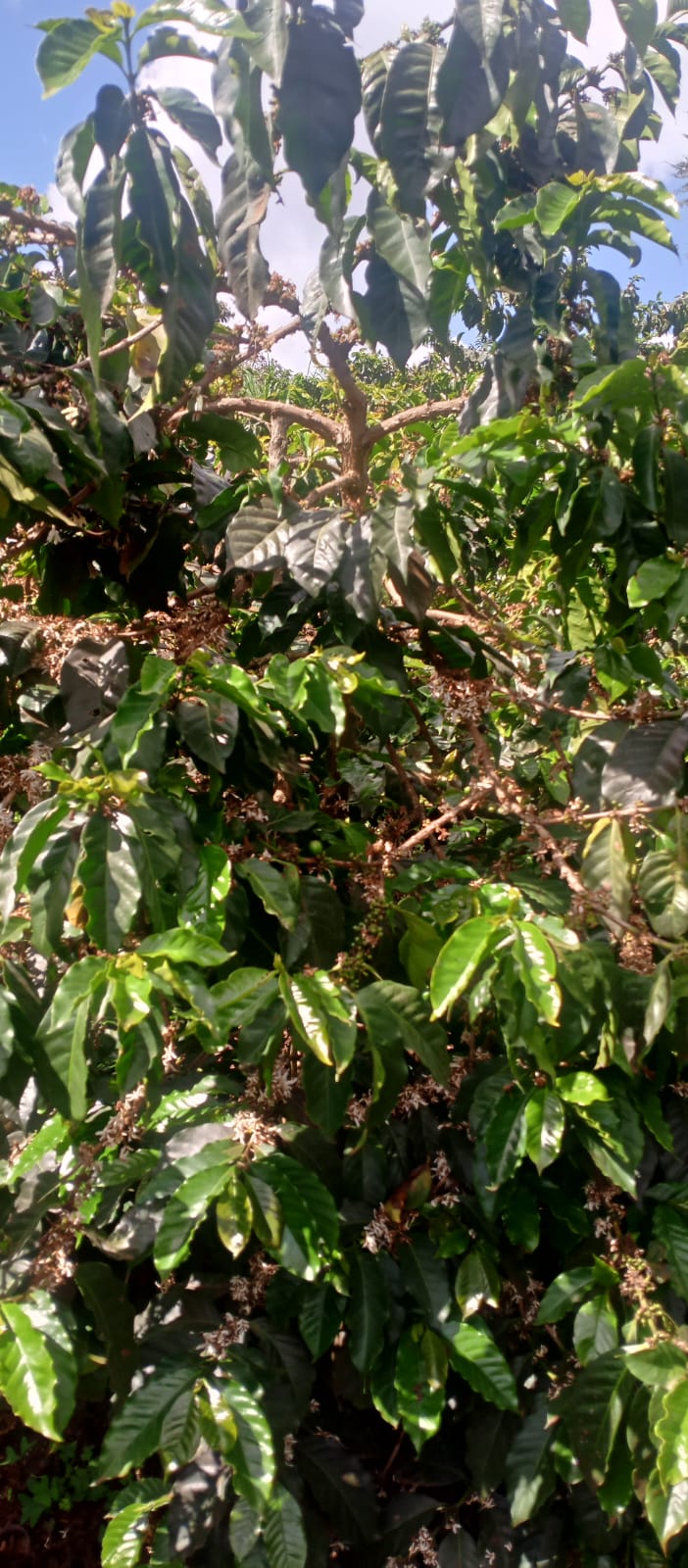
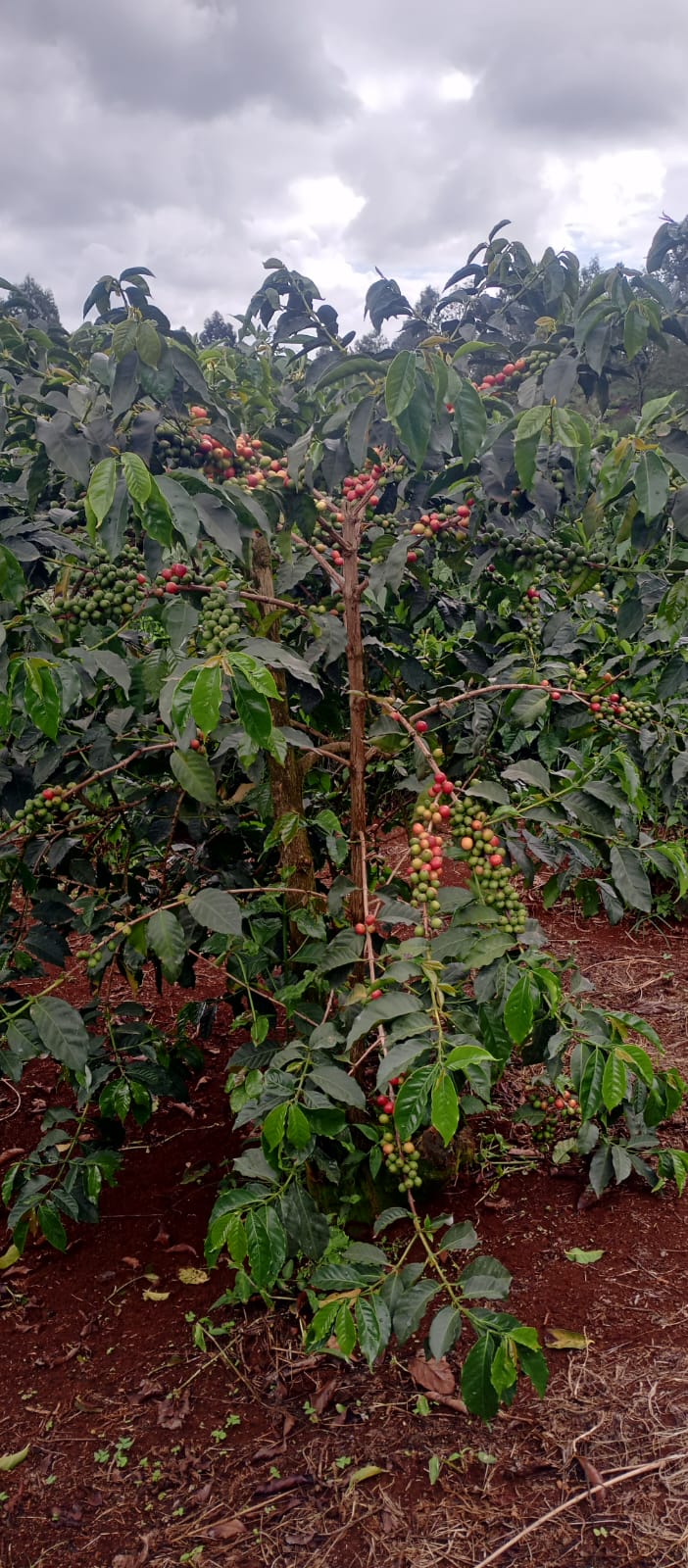
New Elijah Joma Farm is located in the border of Githunguri & Lari Constituencies within Kiambu County in Kenya. The initial coffee plot (Murera) was established in 1960 by our late father Elijah Mbugua Wangware and late mother Esther Wanjiku Elijah. It had about 1050 trees. Anothercoffeeplot(Wangware)wasestablished in 1990 that had about 3500 stems of coffee. The two plots had SL Varieties. The third plot (Kamuchege) which has about 500 stems of Ruiru 11 and Batian variety was established in 1990 when the farm changed ownership from my father to his son Joseph Gacema Elijah -the current owner.
I manage the farm with the help of my dear wife Mary Nyambura Gacema and my two sons Elijah Mbugua Gacema and John Ngechu Gacema who are well conversant with coffee production and processing
The farm is on a high elevation (1911M above sea level) that is characterized with cool climate that makes coffee production susceptible to coffee berry diseases and coffee leaf rust. Managing the two diseases is somehow challenging that's why the move towards growing Ruiru 11 is being slowly introduced into the farm.
Due to cool climate witnessed in the region, there is no need for irrigation. We rely on rain for our production. The soil is loamy red and free draining. The trees deep root structure allows them to maximize scarce water resources and flourish even without irrigation. They are cultivated with a serious eye to sustainability and Good Agricultural Practices, with minimal environmental impact where possible
Coffee Description
License: AA0979
General Information
Sensory and Jury Scoring Summary
About the Farm
AGRONOMY
With help from coffee agronomists, we conduct
soil analysis annually and we base our feeding regime to
it which helps improve yields and quality while reducing
cost and environmental impact. We have
access to technical expertise on coffee establishment,
feeding, pests and diseases management, harvesting and
processing.
COFFEE PROCESSING
- The farm has its own small wet-mill where we are able to process own coffee, ensuring full traceability back to their farm.
- Cherry is selectively handpicked and then pulped. Coffee is
then fermented for 12 to 24 hours in small fermentation tanks
before being washed in clean water to remove any remaining
mucilage.
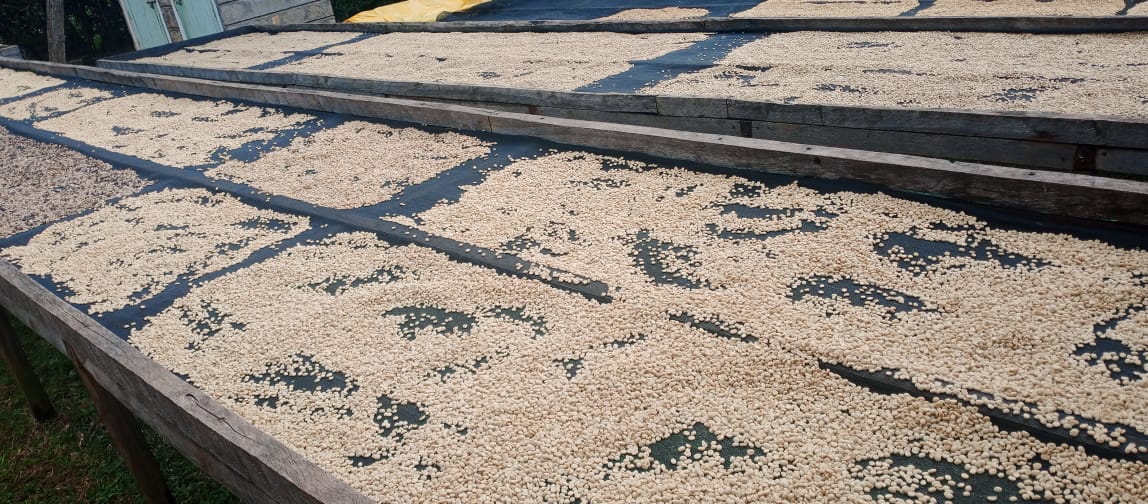
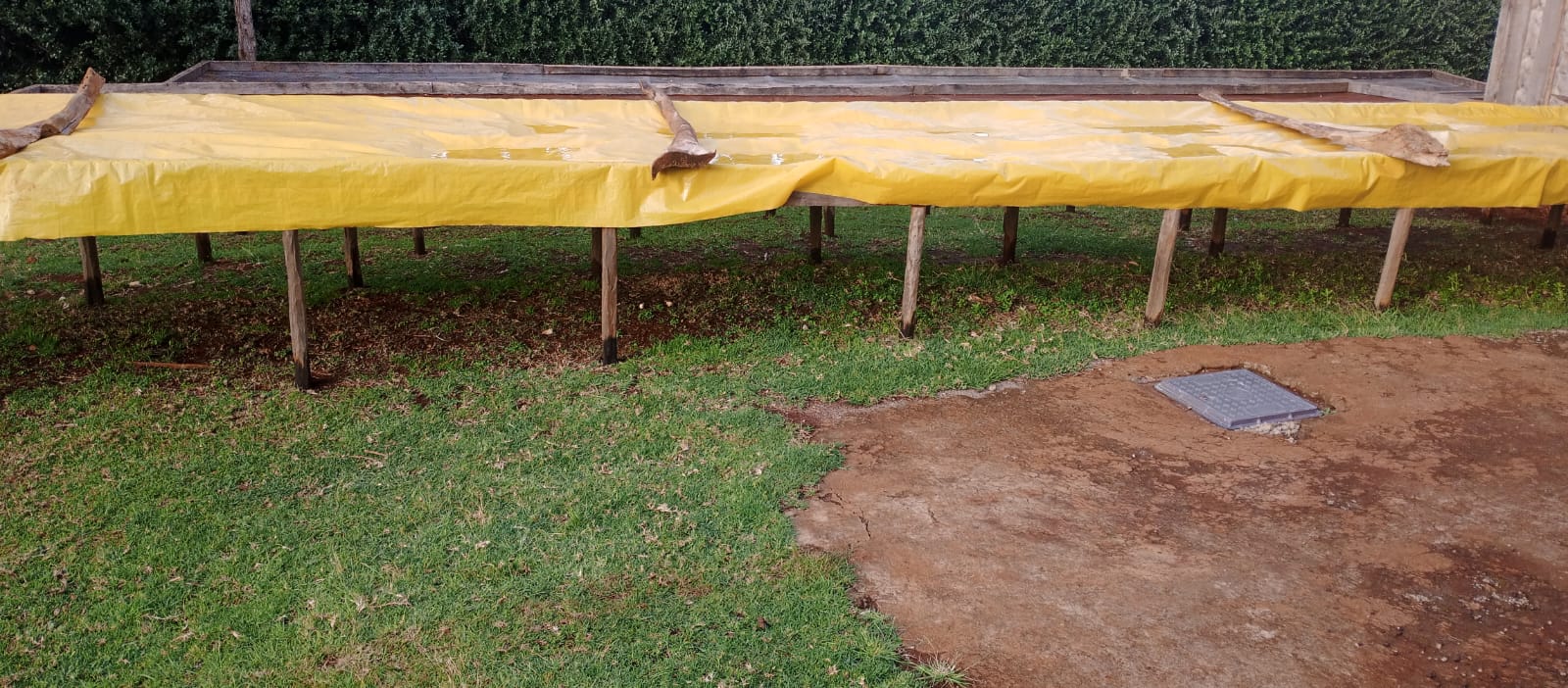
Parchment is soaked for 12 hours and then transferred to raised beds where it sundries for 14 to 21 days. As it dries, parchment is turned regularly to ensure even drying.
During skin drying, sorting is done to remove any defects. - Once the coffee is dry and a good consignment is got, we deliver coffee to preferred miller where coffee is screened and graded by size to create AA, AB, PB etc and appoint a broker who conducts sales on our behalf.
SUSTAINABILITY PRACTICES
Sustainability practices carried in the farm include pruning /
rejuvenation of coffee trees to reduce reliance on pesticides to
manage pests and diseases and get high quality yields.
We have cover crops such as blue grass to control soil erosion, use it as mulch and help in building up of organic matter into the soil. We have also integrated shade trees in our fields such as grevillea along the periphery and a few cordia species to help in providing micro climates to our coffee trees.
Soil testing is done annually as move to having a sustainable way of applying only the required nutrients.
